The grandeur, biodiversity and knowledge found in the world’s largest tropical biome.
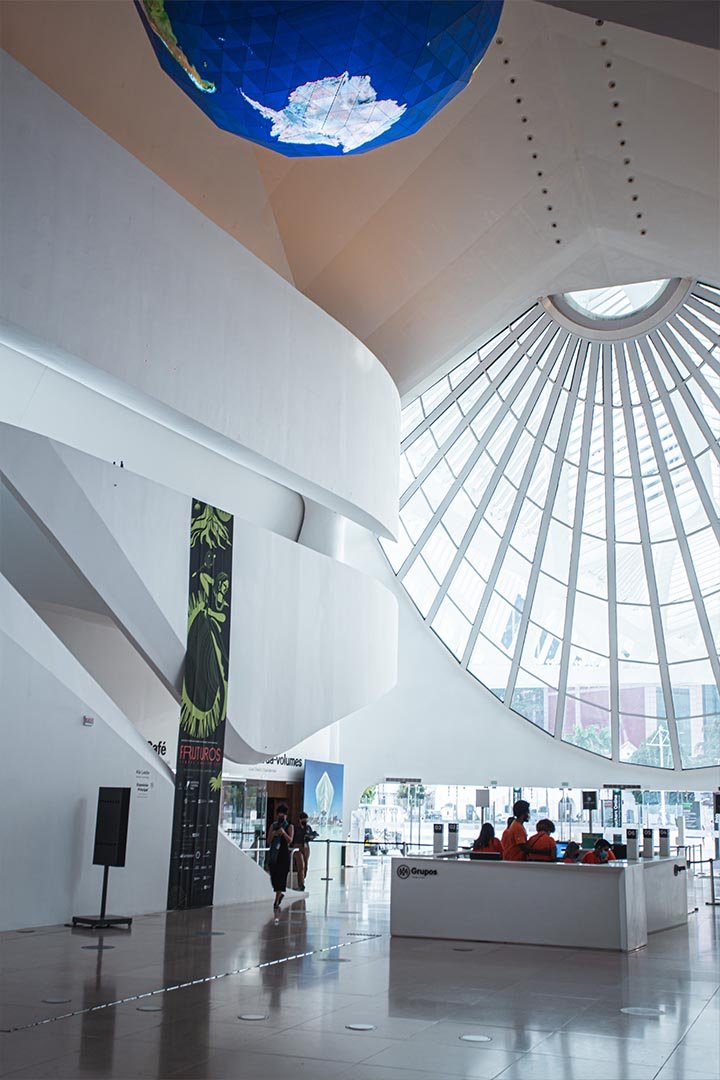
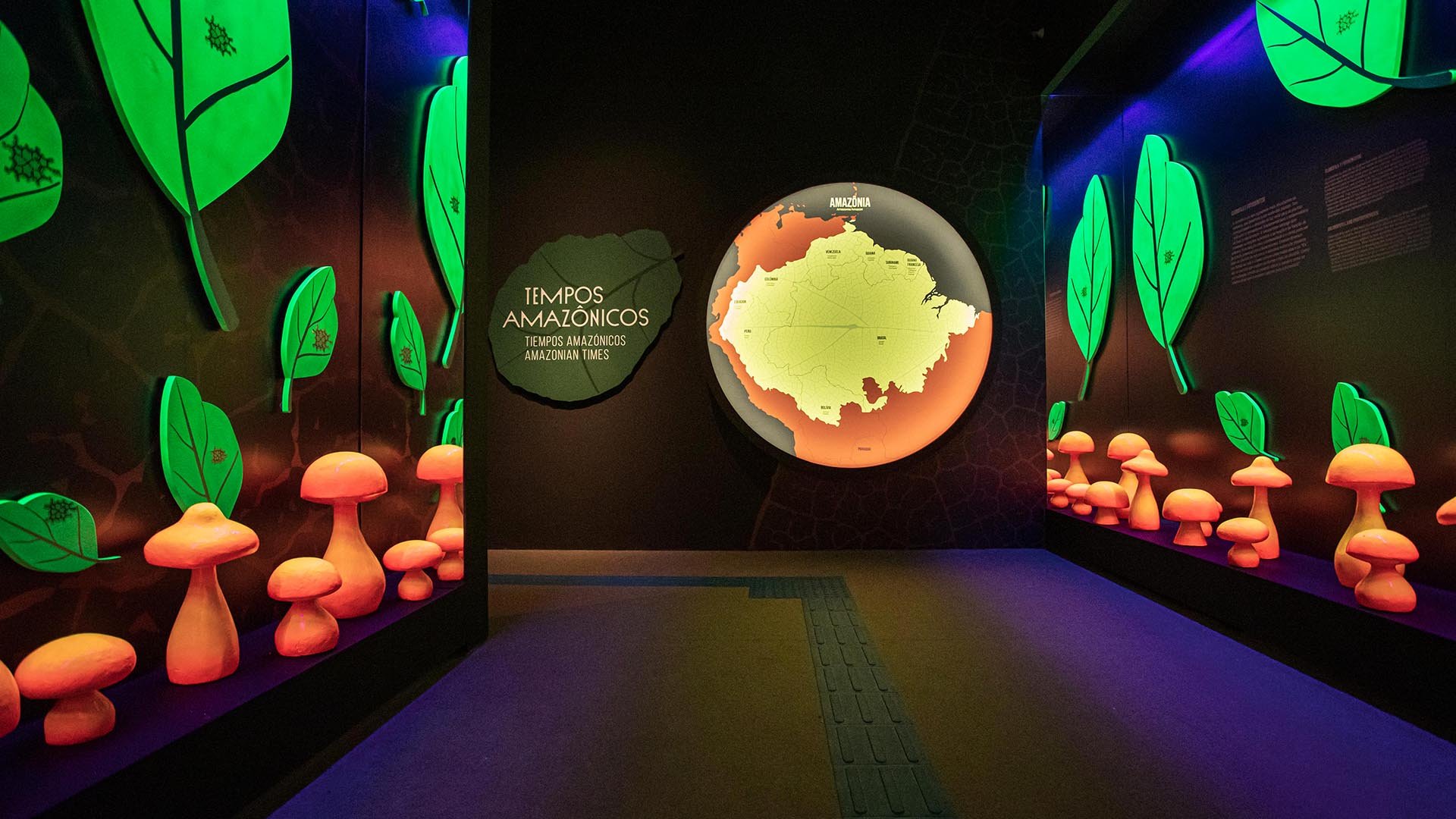
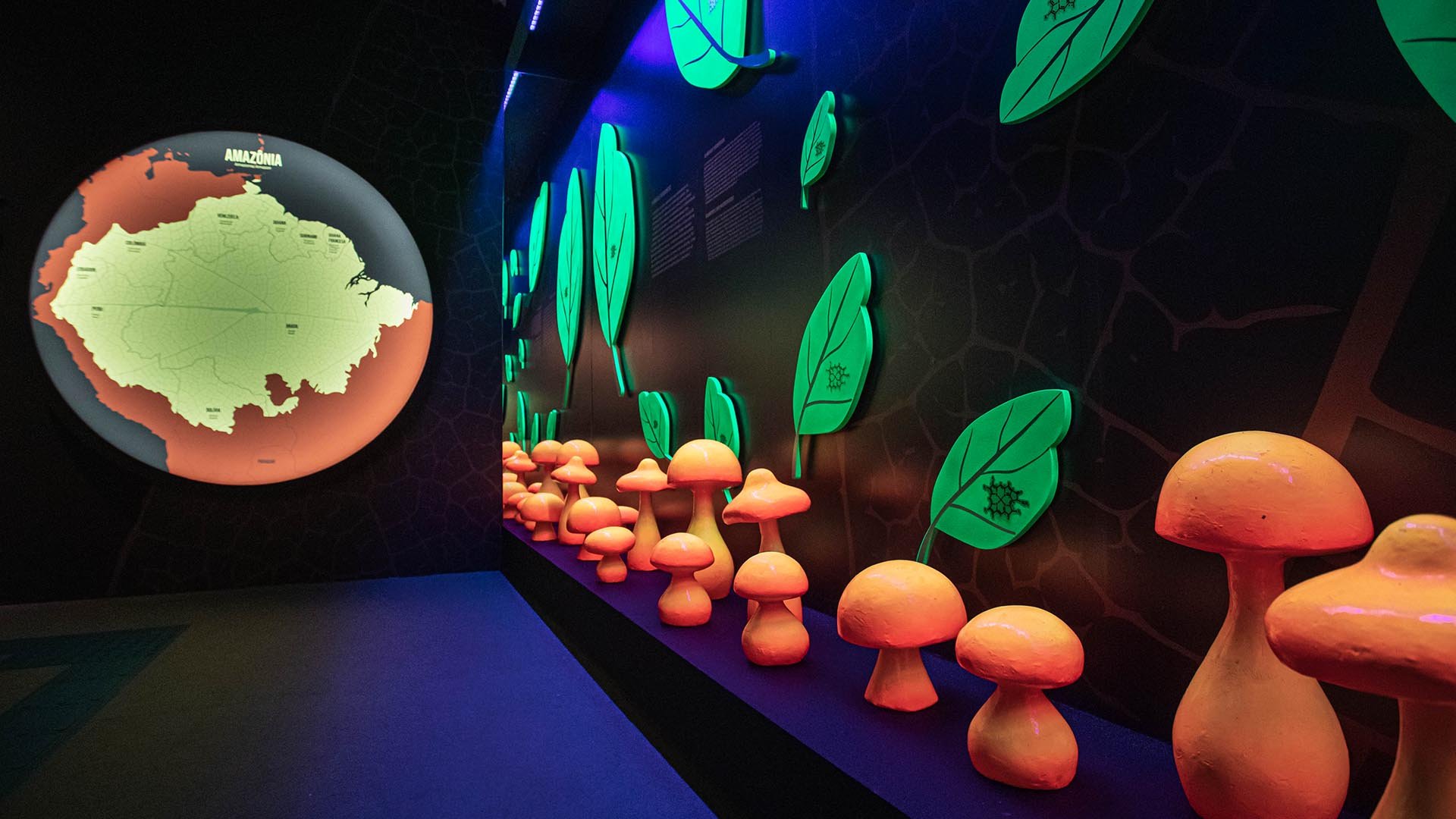
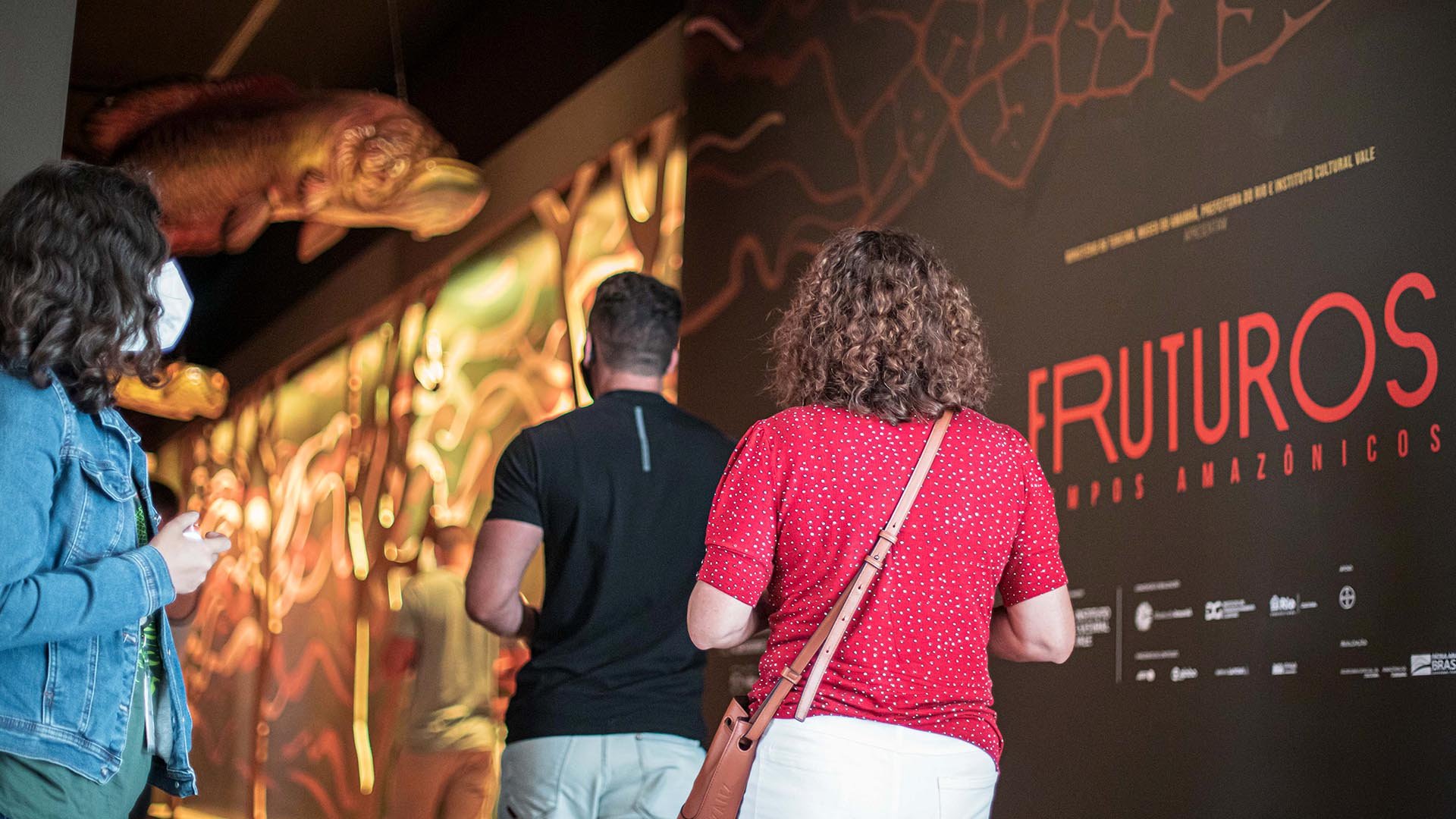
With time as the common thread of its narrative, the temporary exhibition Fruturos: Tempos Amazônicos arrives at Museu do Amanhã, in Rio de Janeiro. Across seven areas, the show presents the grandeur, biodiversity and knowledge found in the world’s largest tropical biome, and offers new insights into the relationship between the forest and the climate, highlighting the urgency of its conservation.
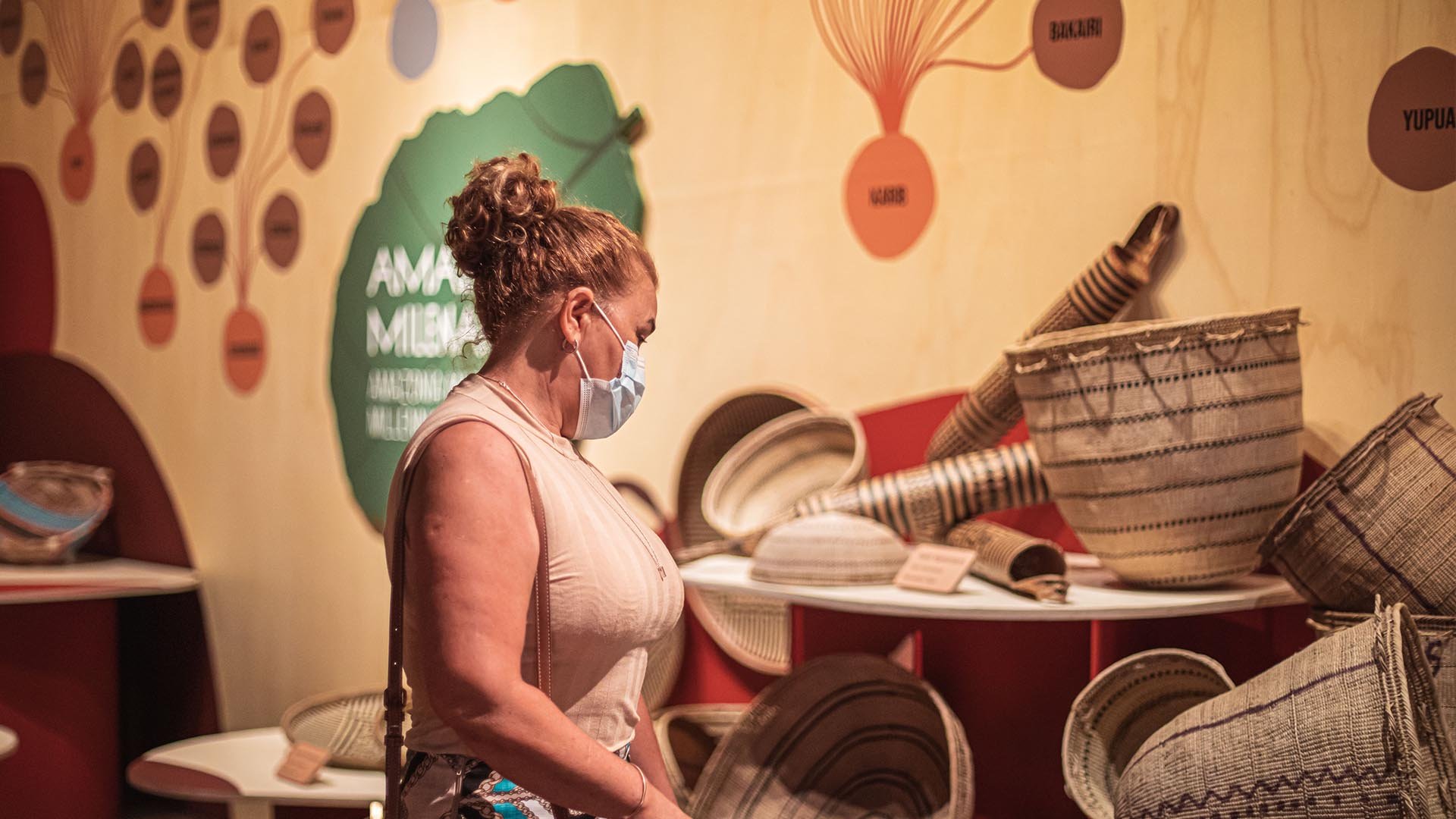
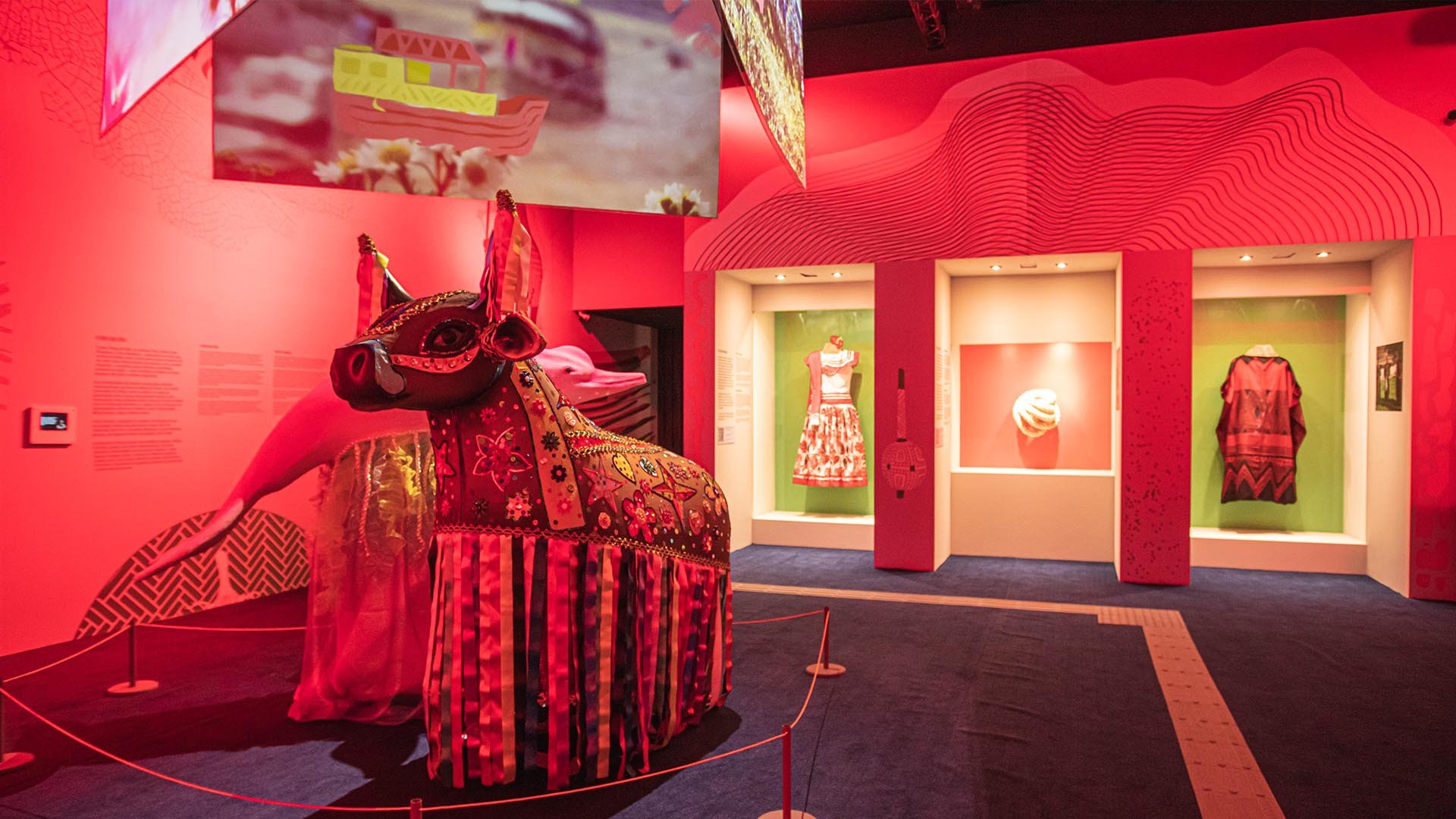
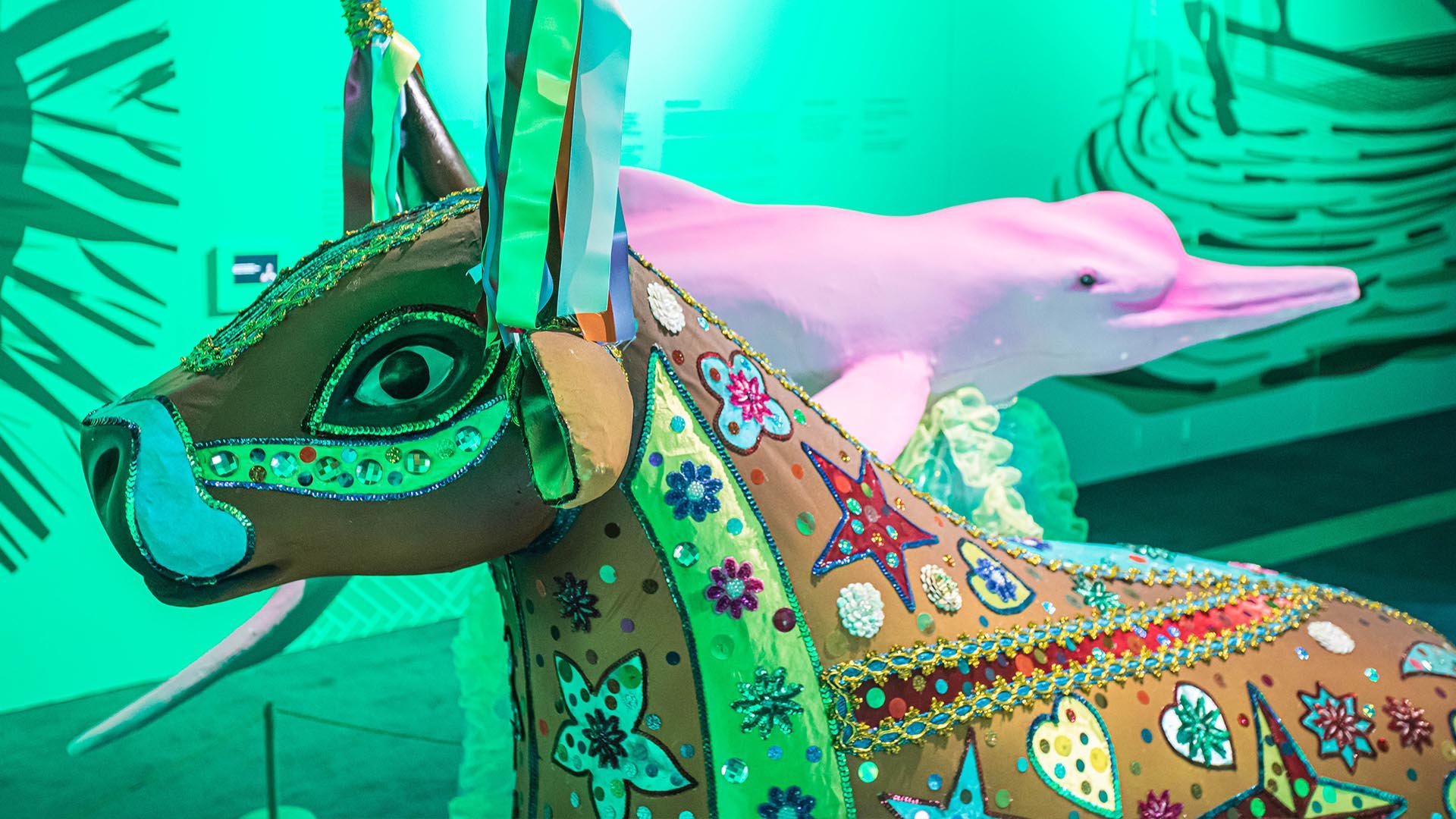
Spanning eight countries and one territory and covering almost half of Brazil, the Amazon is currently home to more than 30 million people and thousands of plant species, and is one of the most biodiverse regions on the planet. To reflect this magnitude, the exhibition features the largest number of artifacts in the history of Museu do Amanhã.
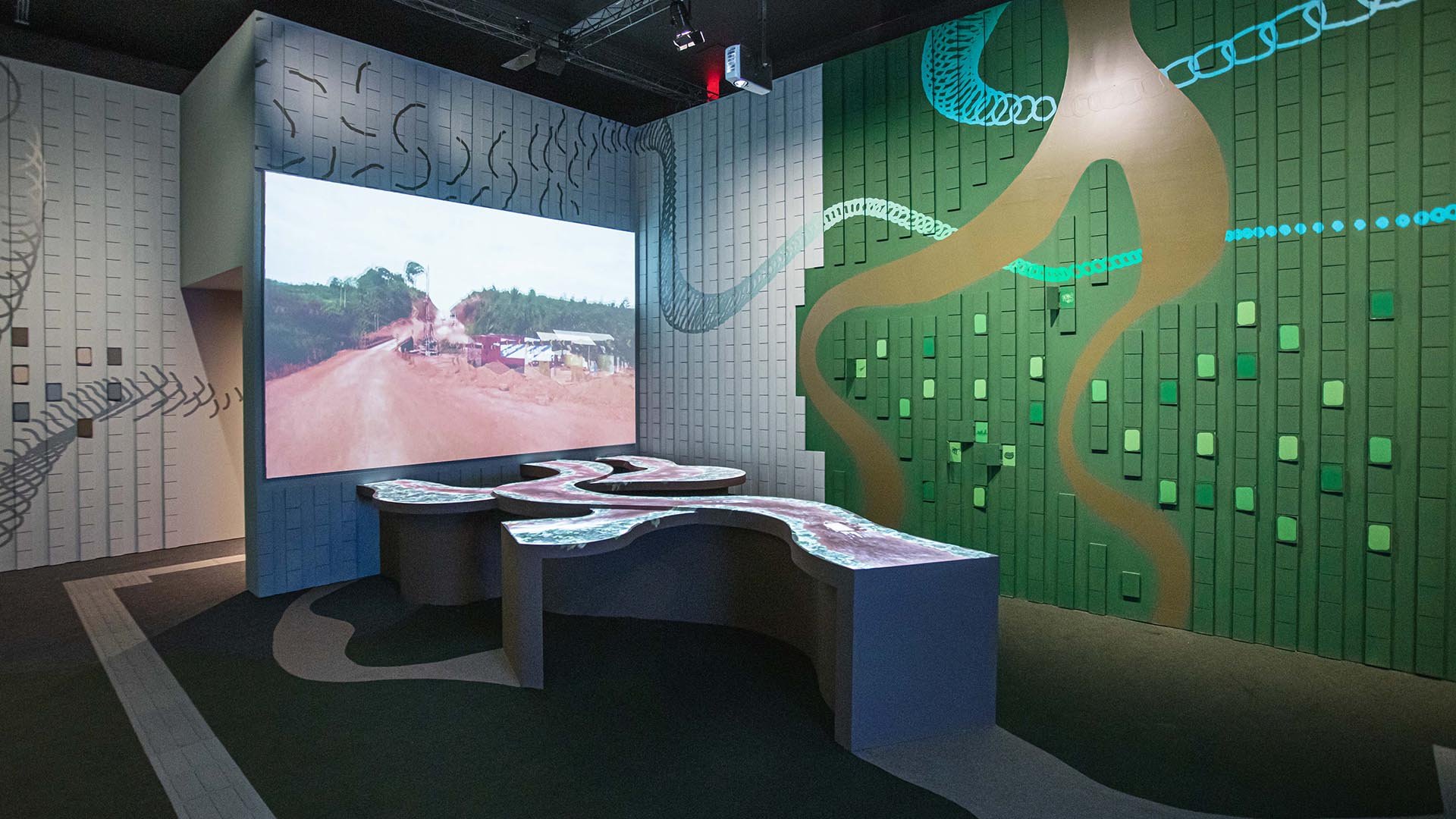
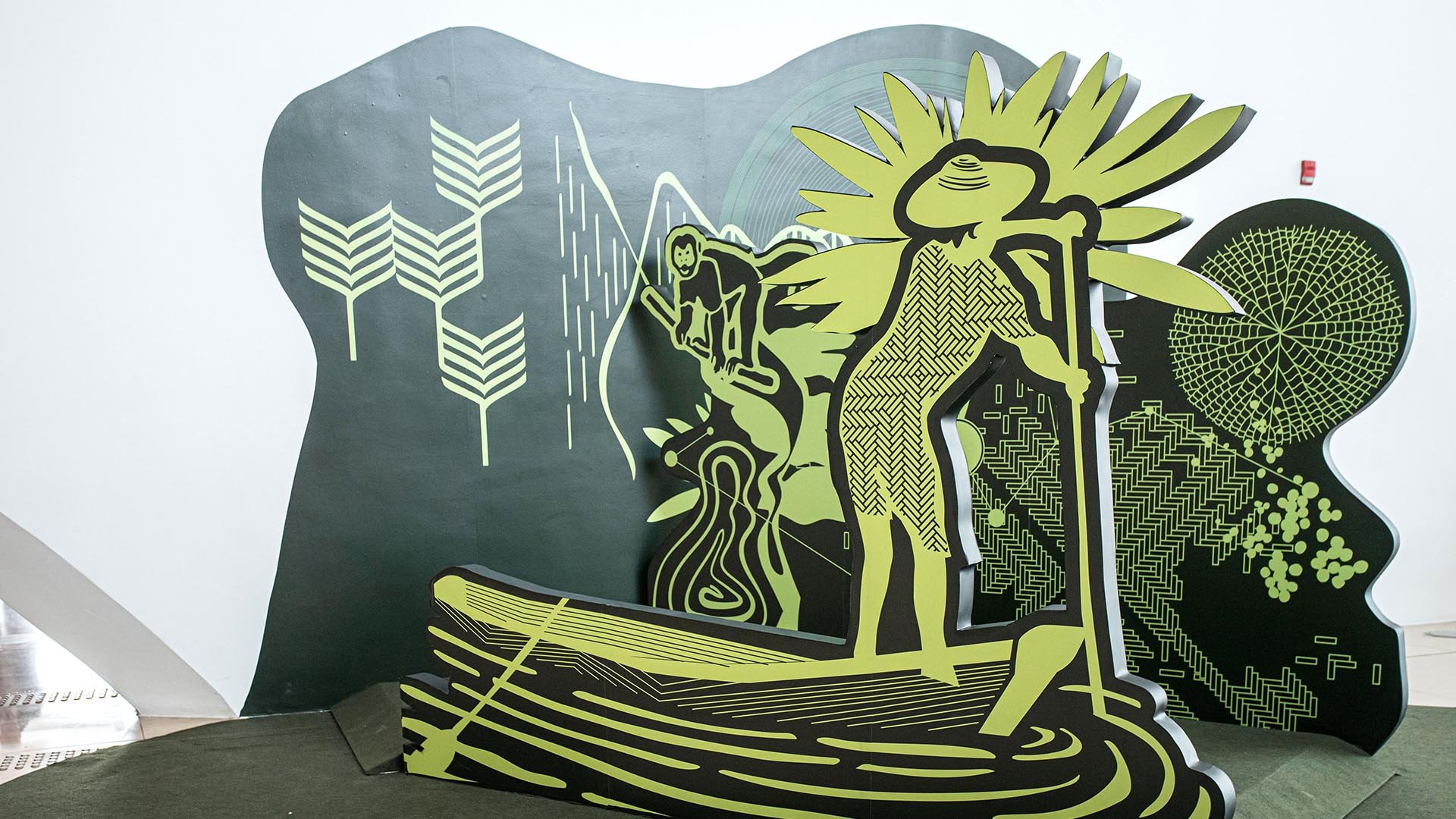
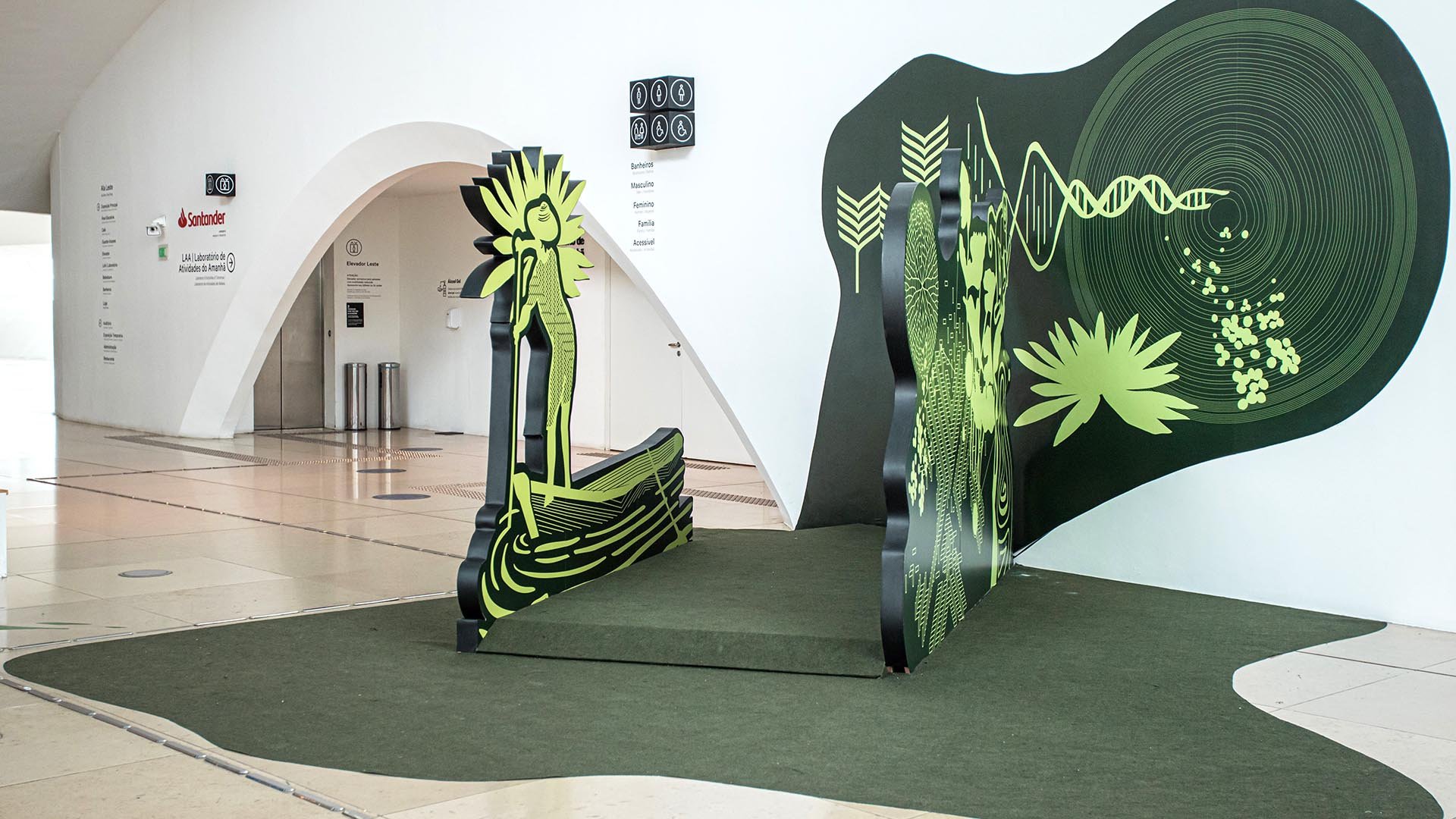
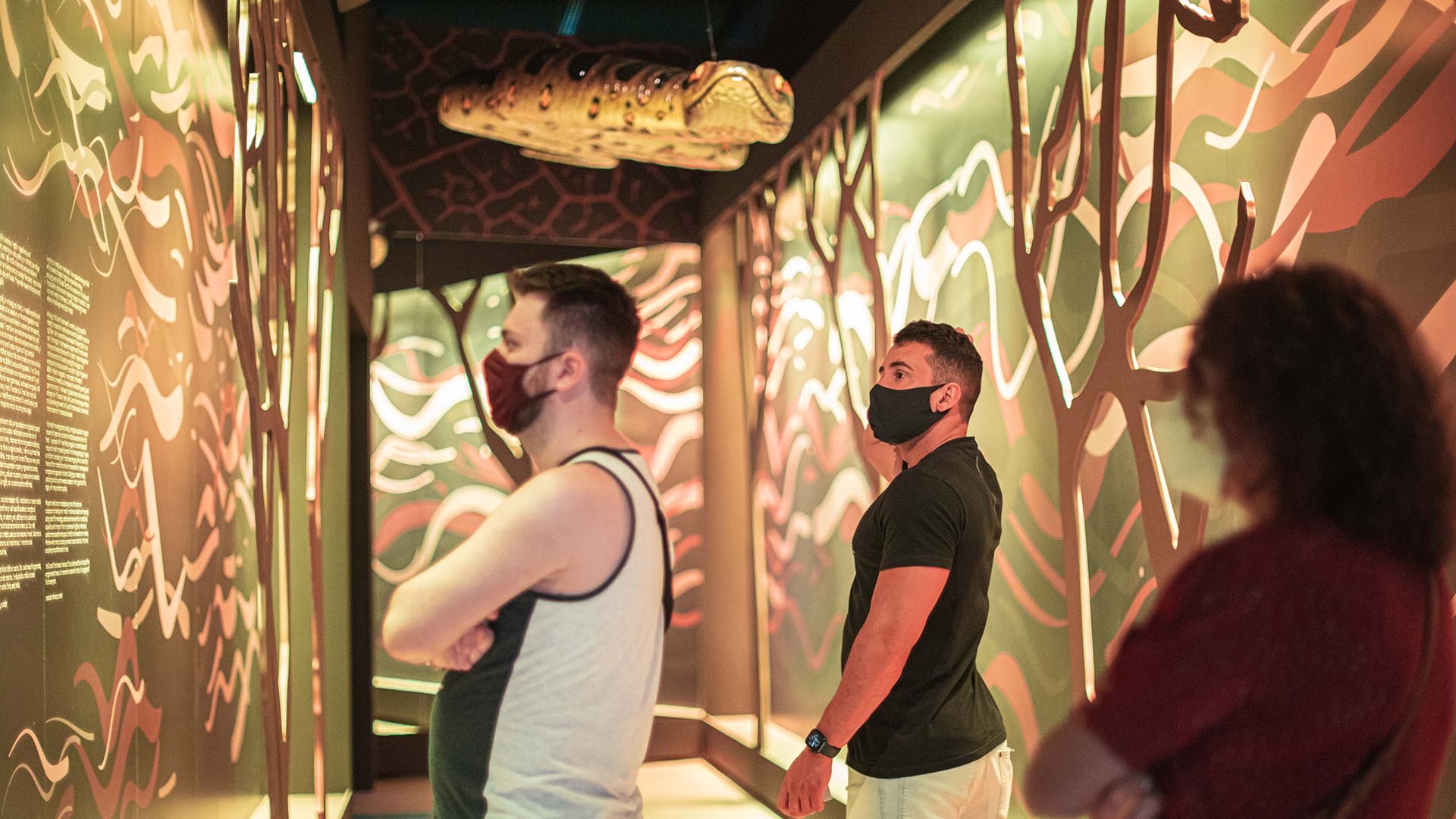
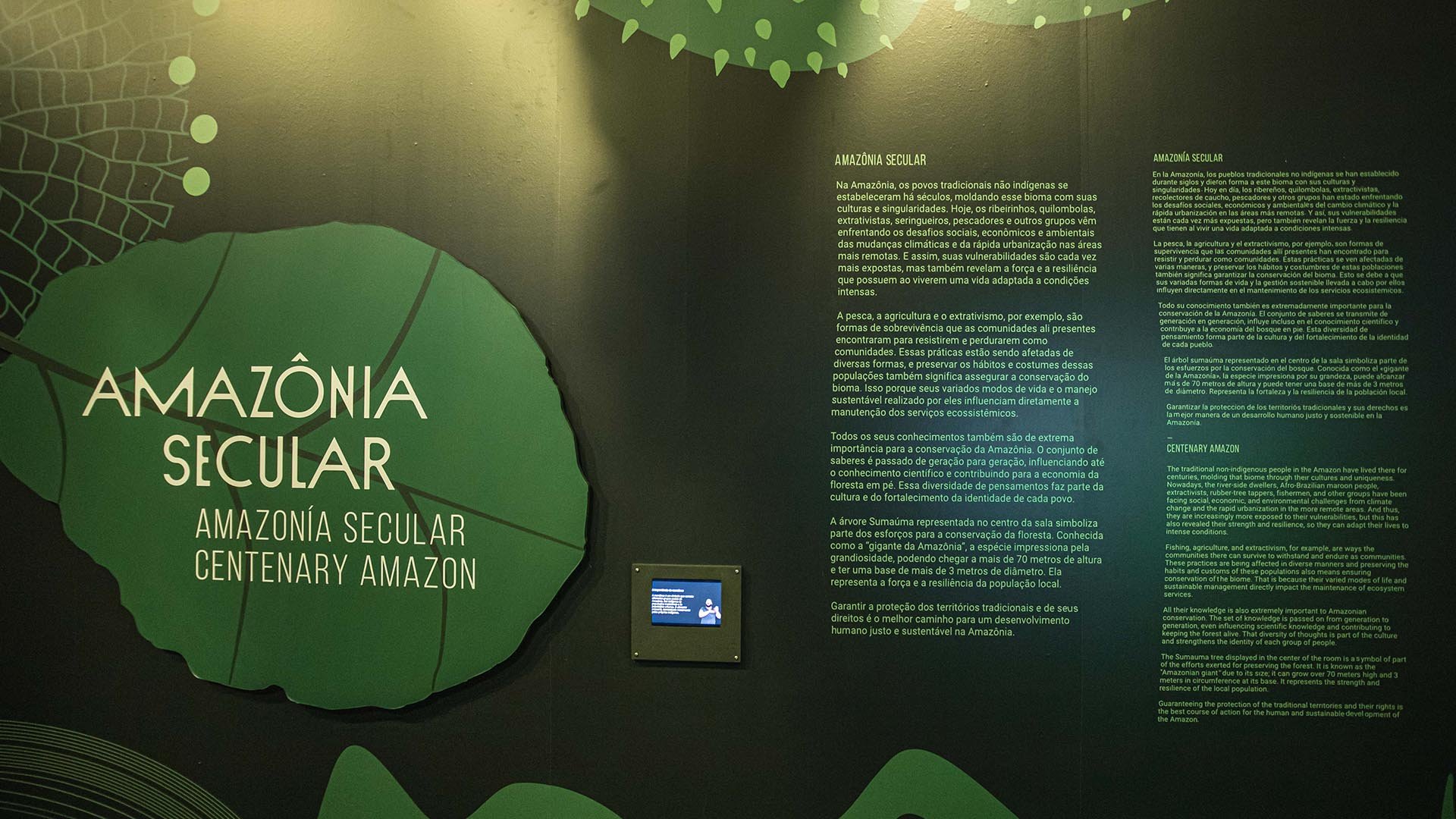
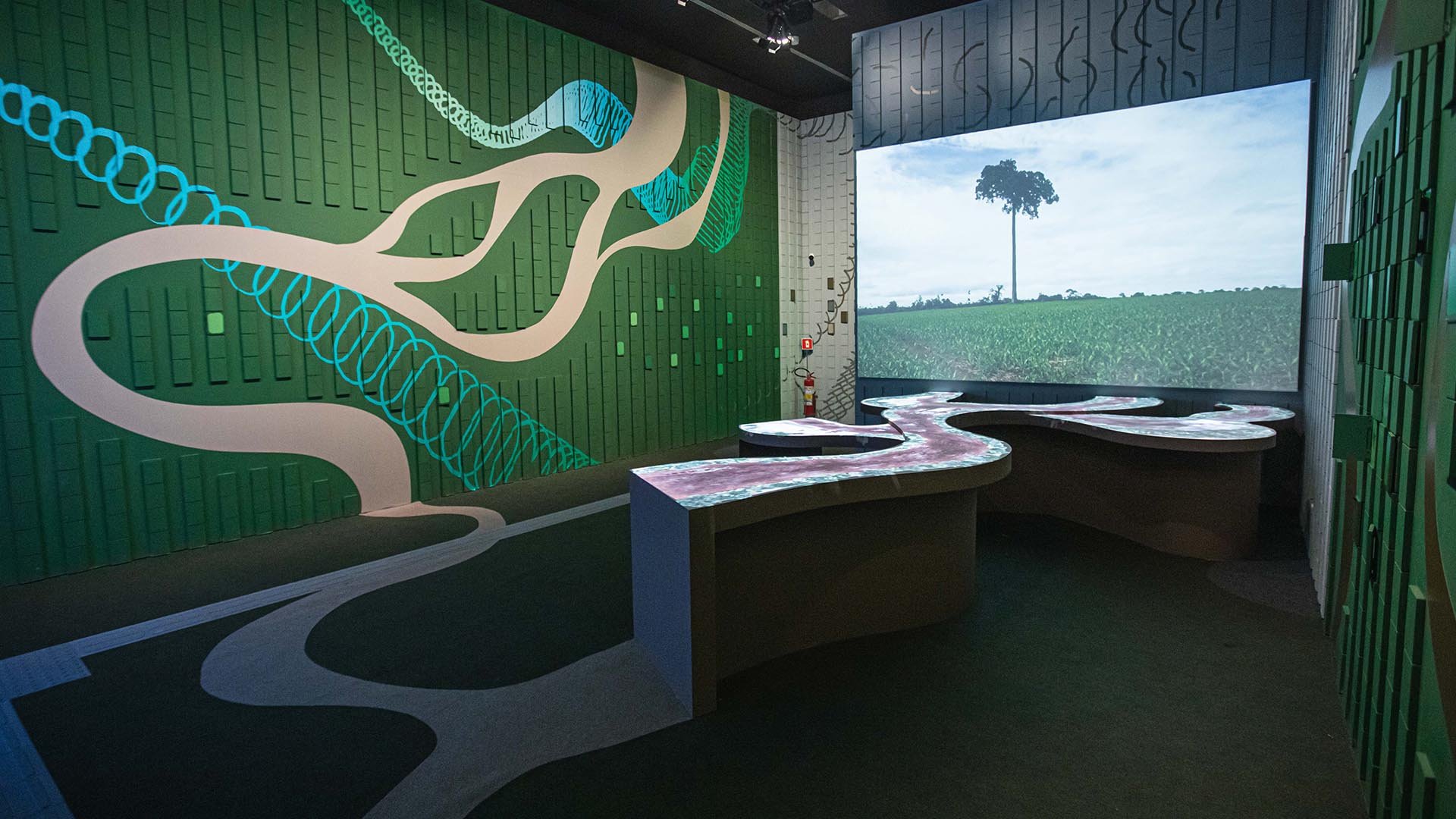
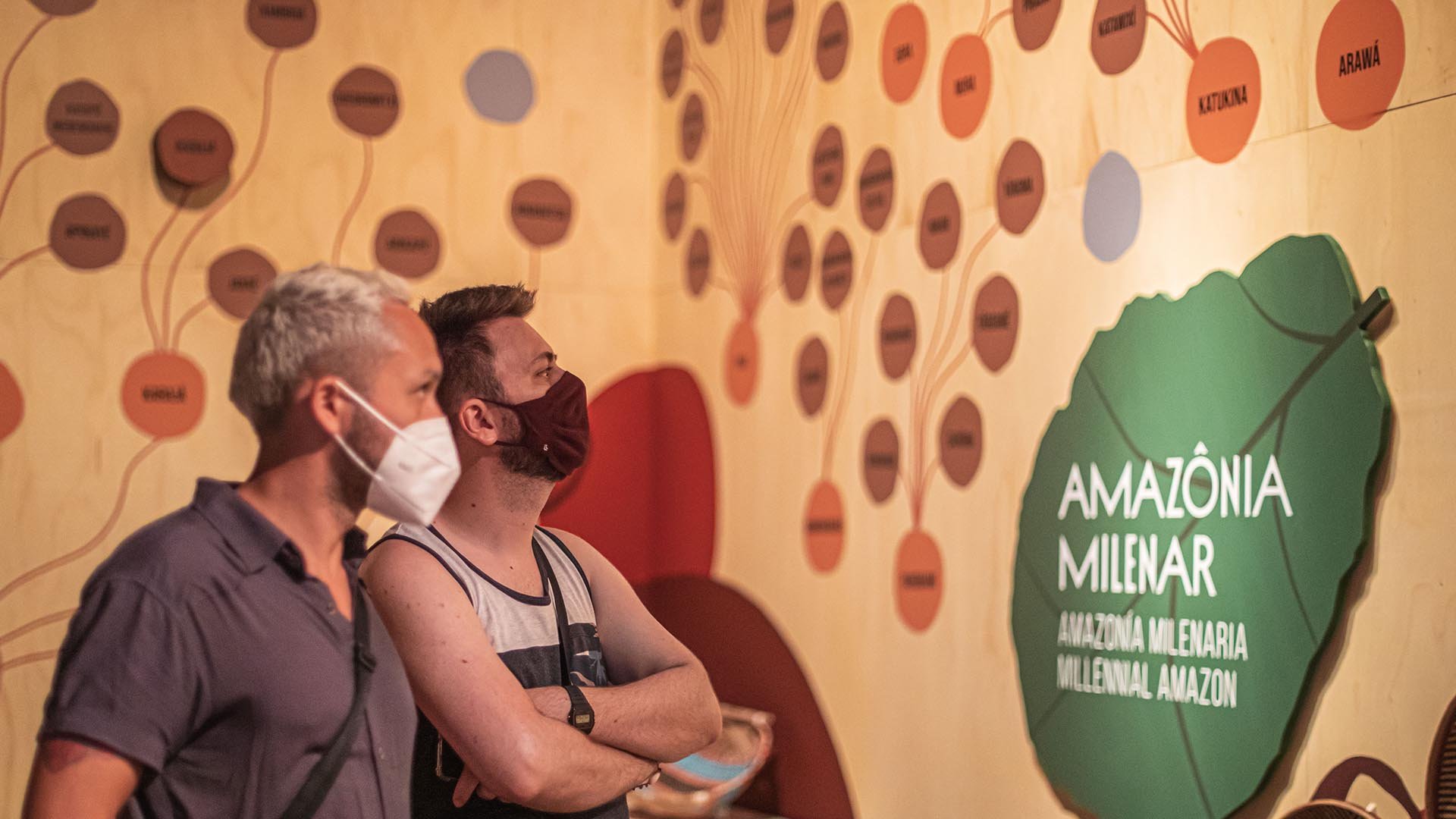
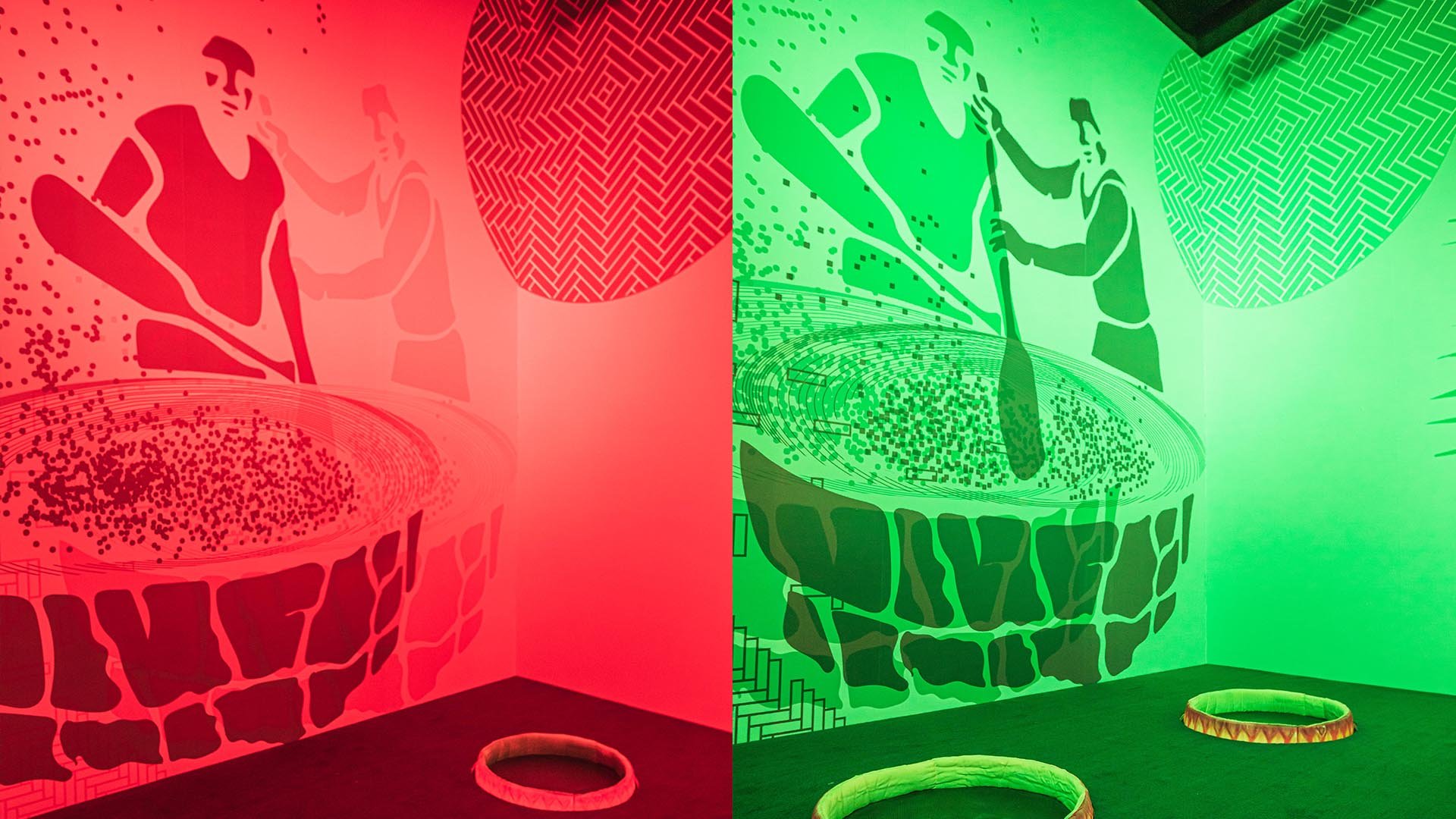
The visual identity, made of intertwined elements and fluid representations, gives the exhibition design visual cues to guide visitors through each moment proposed by the curators. The composite grid allows both micro and macro readings of the graphic ensemble, alluding to the different layers of understanding of the biome itself.
The exhibition brings an updated perspective on the Amazon biome, which is vast, spans several countries and, besides its enormous biodiversity, is also socially diverse.
It also shows the Amazon’s current challenges, the different scenarios emerging from the current socioeconomic development model and the proposal of a new model based on science, traditional knowledge and a commitment to keeping the forest standing.
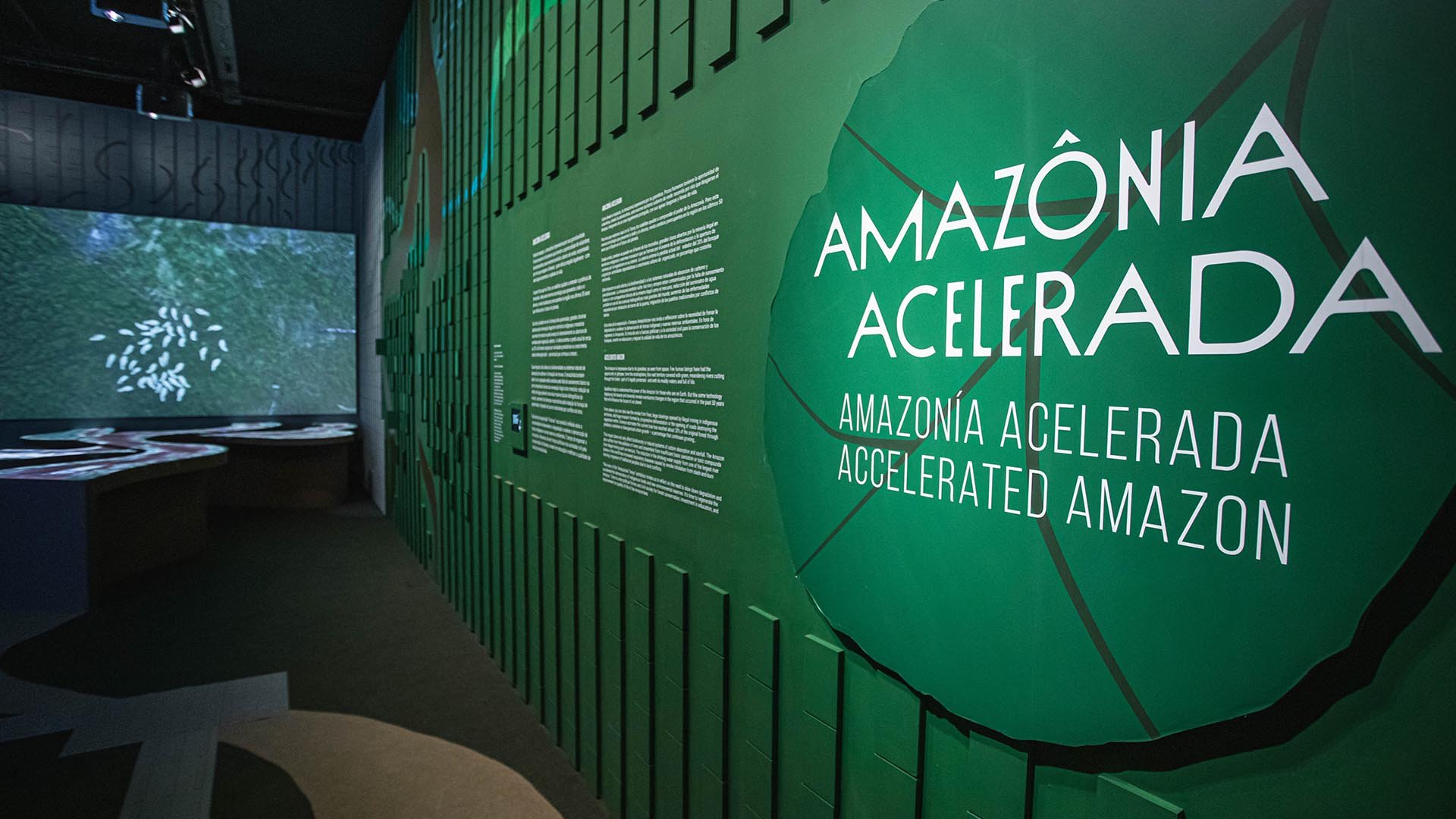
It also highlights the unchecked transformations that have been trampling environmental laws over the years.
The economic development adopted in recent decades has led to problems such as disorderly urbanization, as well as illegal mining and land grabbing.
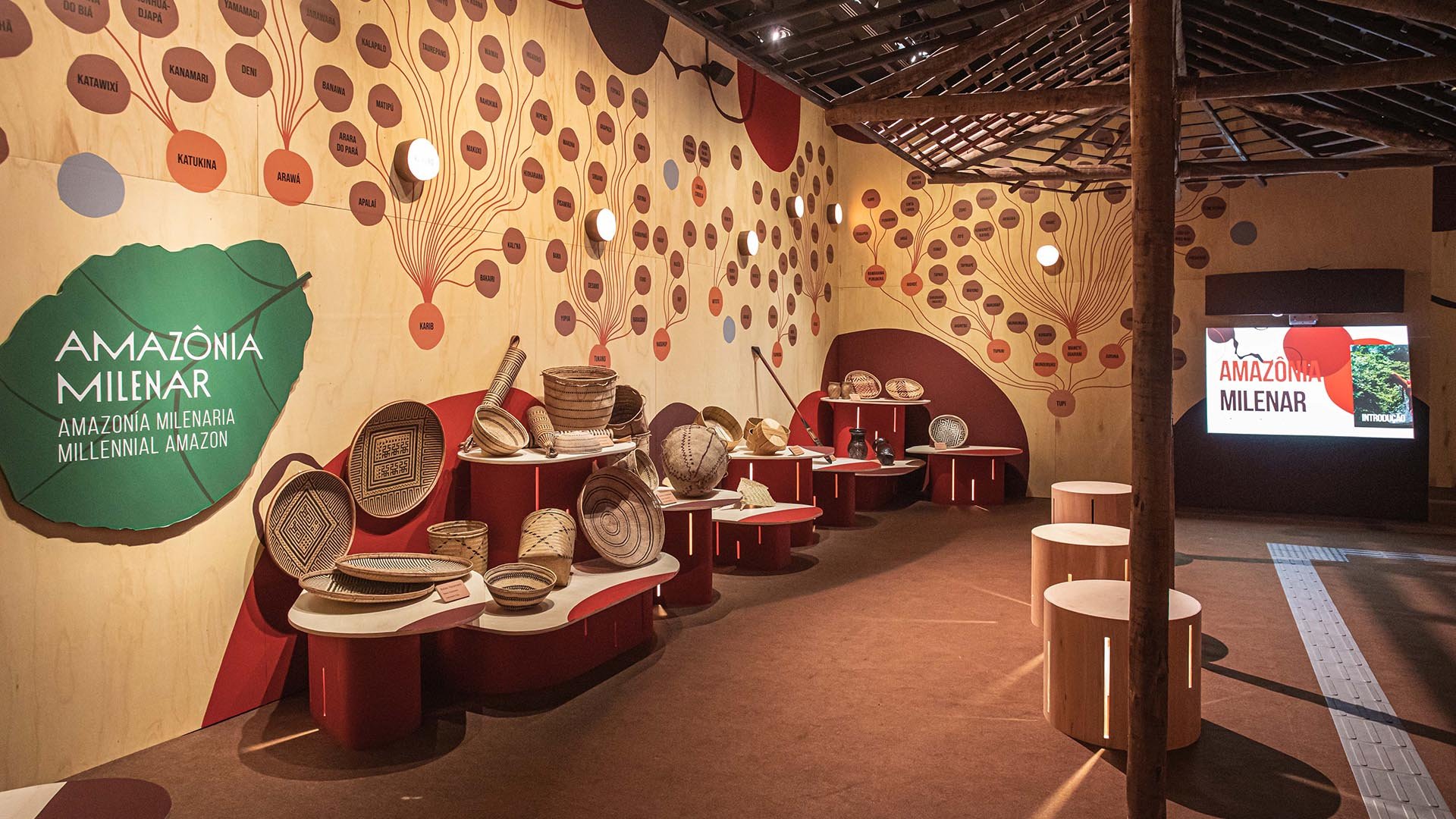
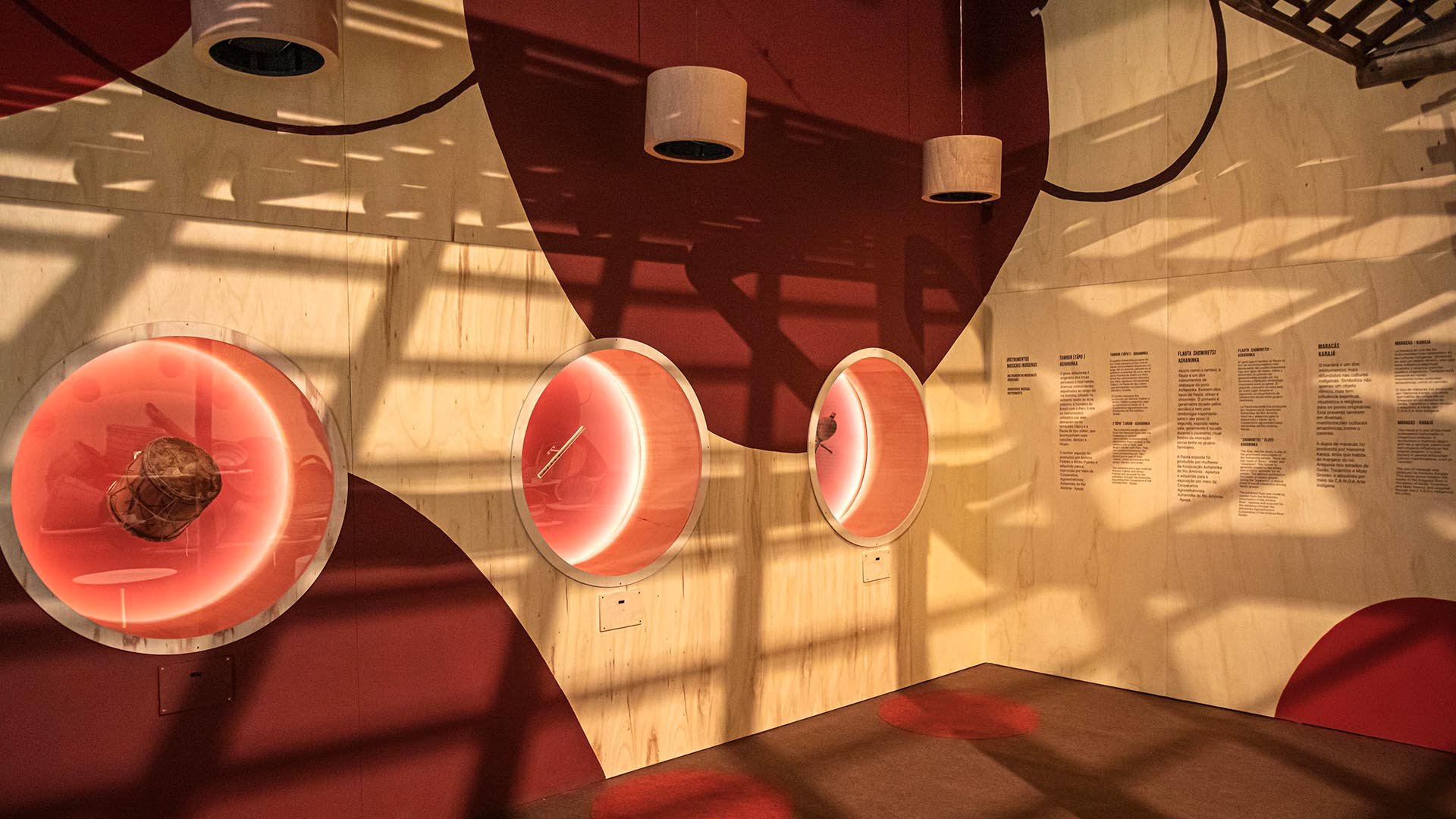
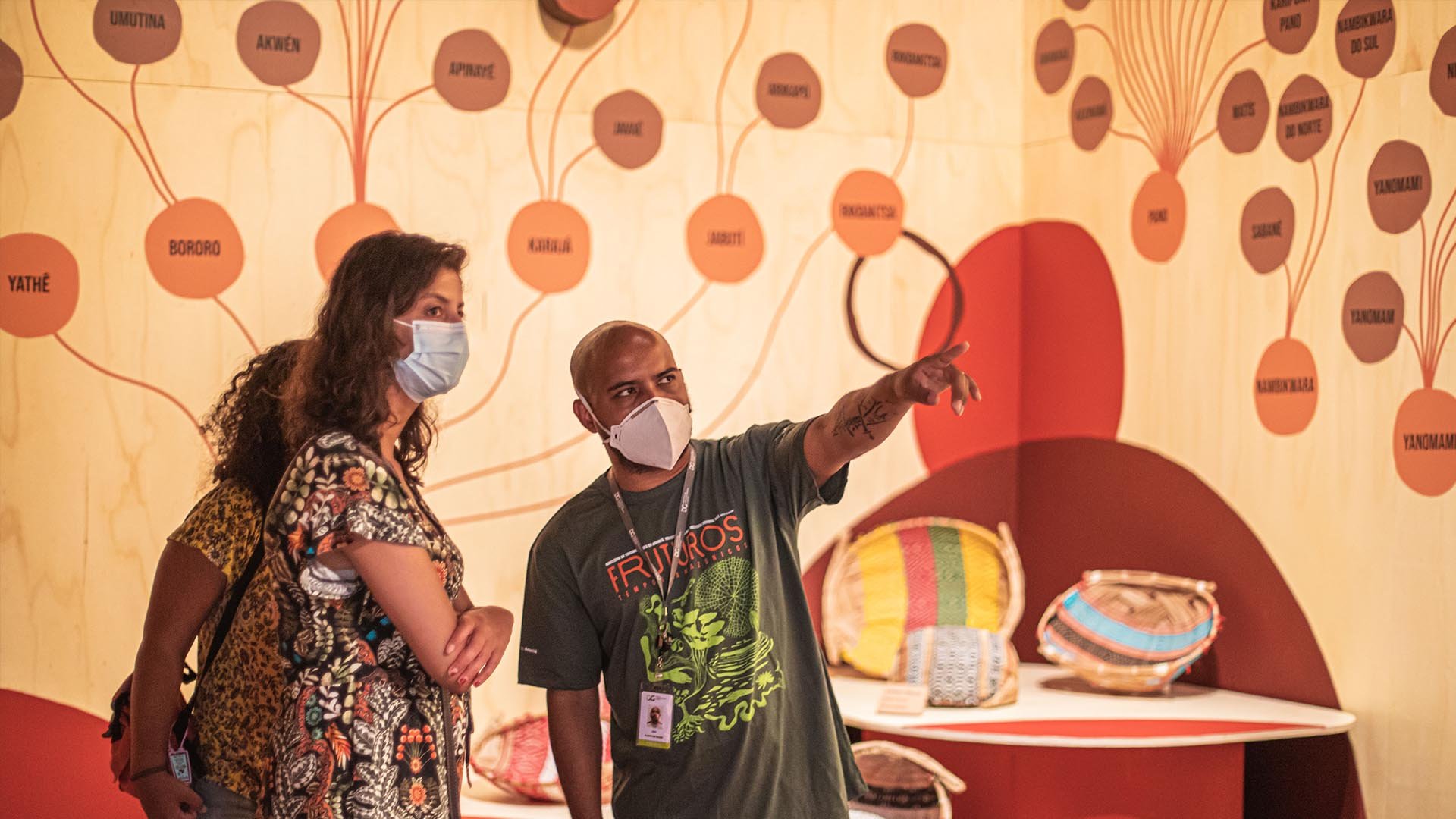
Guided by a temporal narrative, the show connects to the experiences of millennia, centuries and decades that coexist in the Amazon today, and highlights perspectives for the future. The sections cover themes such as fauna, flora, peoples and culture, offering information about the daily lives of local populations, the traditions they carry on and the many languages they use.
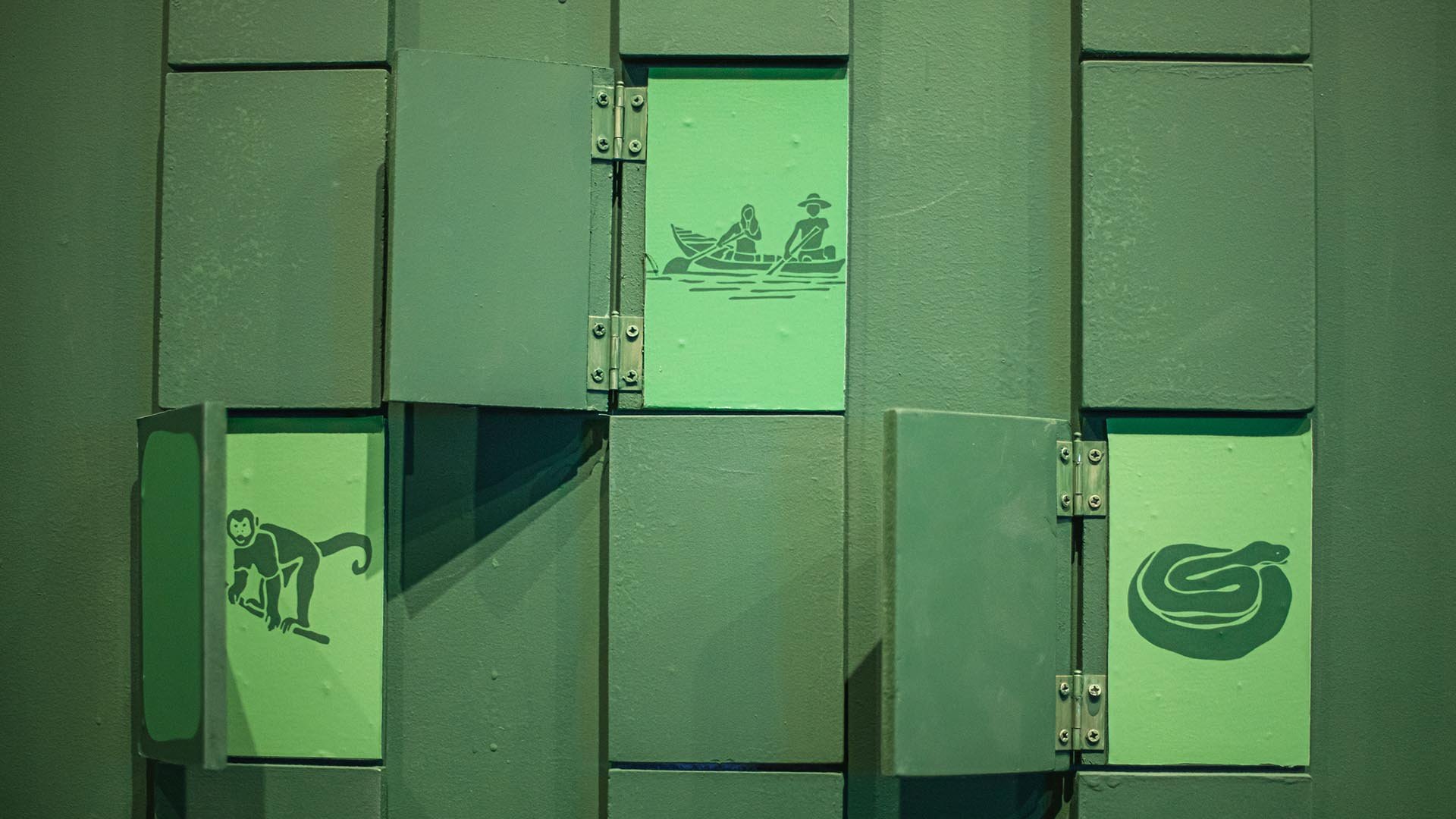
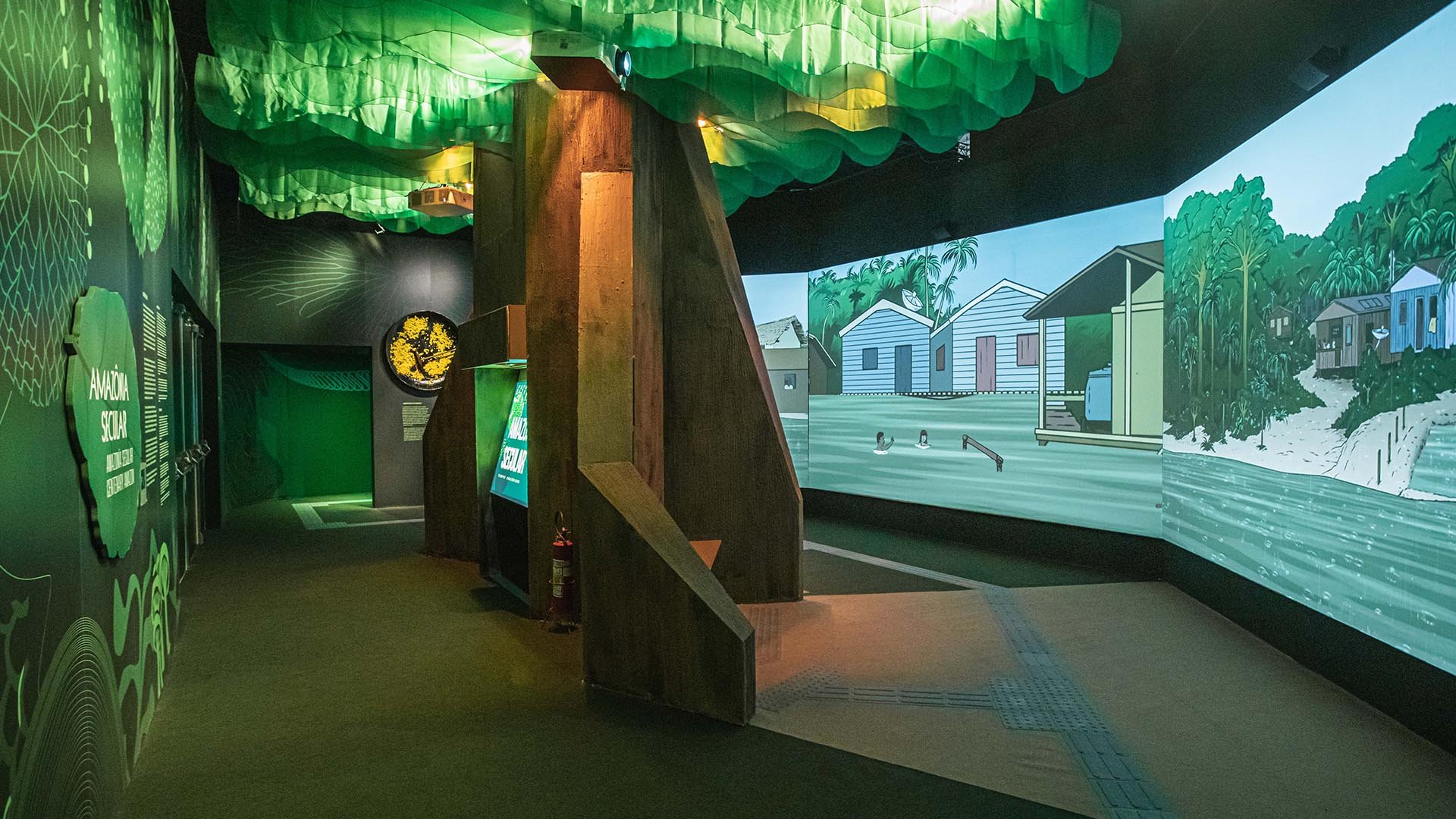
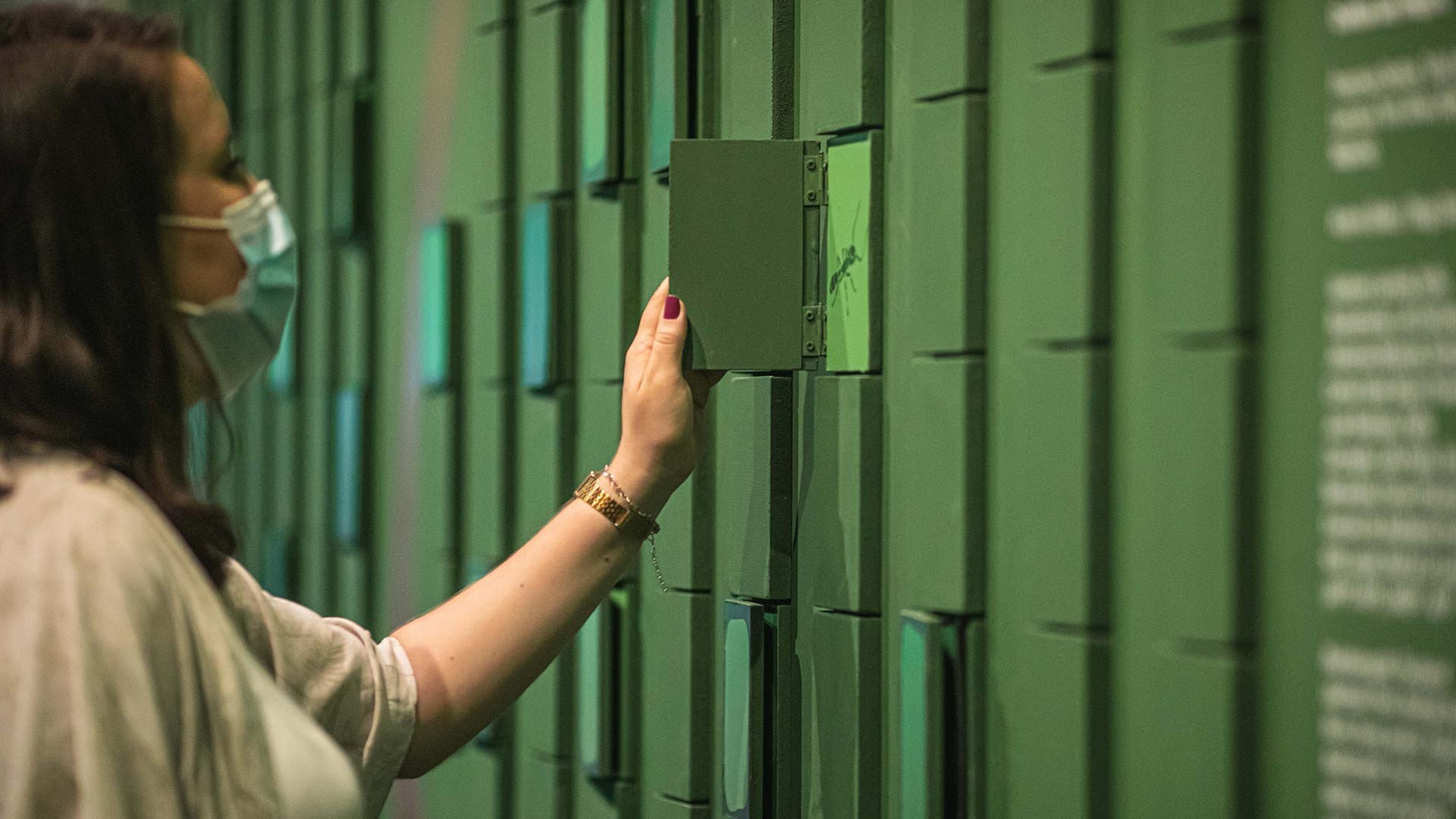
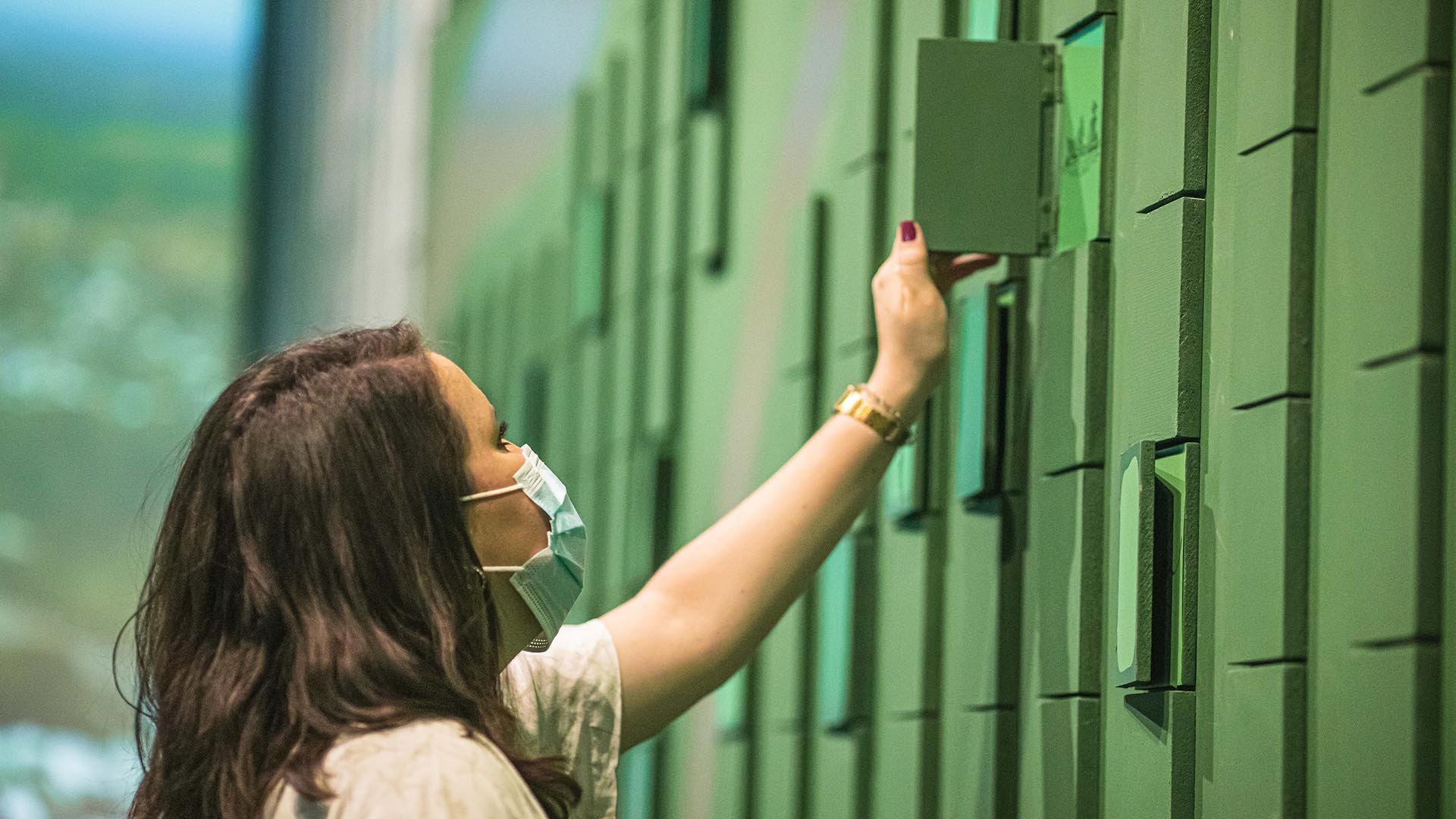
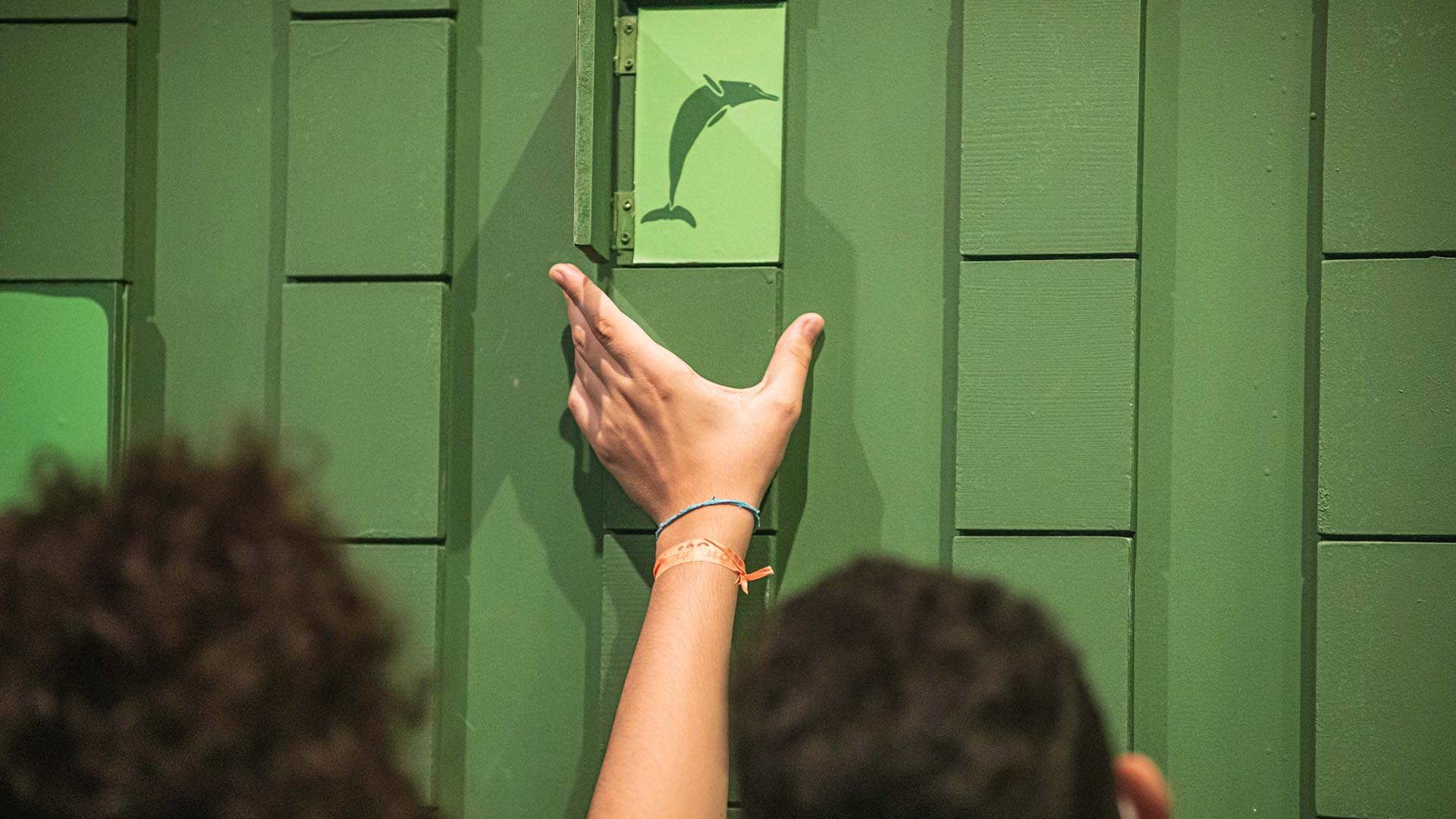
Visitors can feel part of the forest through the setting, which includes interactive activities, elements that reveal the Amazon’s diversity and the region’s soundscape.
The public is encouraged to reflect on a development model that keeps the forest standing, above all through the union of science and traditional knowledge.